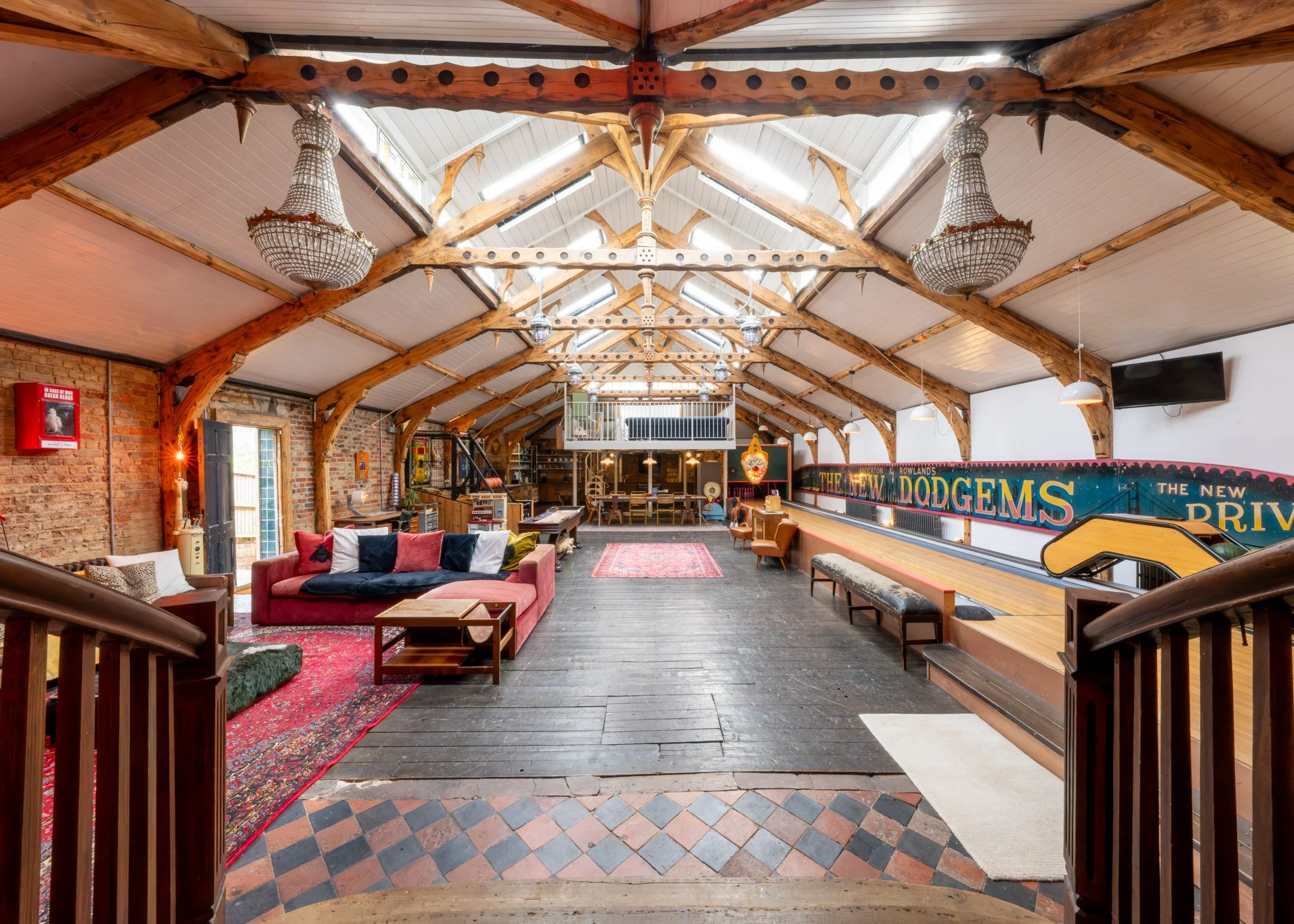
A small wedding reception is a different creature from a big wedding. You are not trying to fill a room with people you barely know. You are trying to host the people you love best for a weekend that feels like them. The East Sussex coast is unusually good at this: the Regency terraces of St Leonards, the working Old Town of Hastings, the chalk cliffs further east, and a clutch of restaurants and small venues that can actually cook. This is a practical guide to planning a small wedding reception on this stretch of coast — how the legal side works, how the weekend usually unfolds, who the suppliers are, and how to think about capacity.
Legal first: where you actually get married
East Sussex operates the same civil-marriage rules as the rest of England and Wales. A venue is licensed for ceremonies or it isn’t, and most of the small, interesting venues — including The Bath House — aren’t. For small weddings this is actually a feature, not a bug. Most couples hold a short civil ceremony at a register office earlier in the day and the reception somewhere else that evening and the following morning.
Hastings Register Office is the closest option to St Leonards: it sits on Summerfields, about fifteen minutes from the seafront. It handles short, well-run ceremonies in a wood-panelled room with space for around twenty guests. Lewes Register Office is the other East Sussex option, about forty minutes west, and worth considering if any of your guests prefer a more rural approach road. Book the register office early — popular Saturdays fill twelve to eighteen months out.
Some couples elect to hold the ceremony in their home town and travel down to the coast for the reception the following day. This works well for small weddings where a large share of guests live close to the couple — you do the legal bit in the local registry and use the East Sussex weekend as the celebration proper.
The shape of the weekend
A small East Sussex wedding reception tends to fall into a three-day shape:
Friday. Family and closest friends arrive late afternoon, the couple checks into the house, and the evening is a rehearsal dinner or a slow arrival supper. Informal, usually seated — the table-laying happens while the wine pours.
Saturday. The legal ceremony is at the register office, late morning or early afternoon. Guests travel back to the house directly after — the drive from Hastings Register Office takes twelve minutes. The afternoon is a drinks reception in the courtyard or great room, followed by a feast at a long table, with speeches landing over dessert. The evening escalates gently — dancing, the bowling lane in use, late-night screenings in the cinema.
Sunday. A slow brunch, guests leaving in clutches through the morning, the couple and core family staying on through the afternoon.
The shape is not rigid. Some couples run a one-night version; some stretch it to four nights. The house is booked end-to-end so you can shape the schedule without fitting around a venue’s turnover windows.
Capacity, which changes what’s possible
The Bath House seats fourteen at the feasting table. That number is deliberate: it is the largest number of people who can eat together in a single conversation, sharing the same moment rather than splitting into separate dinner-party groups. For a wedding reception this suits couples with a tight nearest-and-dearest guest list and not much appetite for a room of two hundred.
For standing or grazing receptions, capacity stretches to around thirty. This is the right format for a post-ceremony drinks reception where guests circulate rather than sit. Your caterer will help you shape the menu to fit: charcuterie, sharing boards, canapés, a feasting table for the centrepiece dinner.
If your guest list is closer to fifty, you are not in small-wedding territory anymore. Hastings and St Leonards have larger reception venues for that scale; we’d point you towards them rather than pretend the house fits.
Sourcing suppliers locally
East Sussex has a tight, well-organised network of independent wedding suppliers. The strongest ones are booked fifteen to eighteen months ahead. A short list of the types you’ll want to hire:
- A caterer. Independent local kitchens serve small weddings well — the bigger corporate caterers are built for much larger weddings and are often the wrong fit.
- A photographer. East Sussex has a notable concentration of editorial-style wedding photographers. They tend to charge day rates rather than package rates.
- A florist. A small-wedding florist in Hastings or St Leonards will know the seasonal local flowers and the architectural preferences of most period-building venues.
- Music. DJs, acoustic players or a small band — the great room acoustics favour a single vocalist with a guitar or a small trio over a full band.
- A cake. One small-batch baker goes a long way — order a single showstopper rather than a tiered assembly.
- Transport. Hastings taxis and local minibus companies run the late-night runs from Hastings Register Office back to the property and from the property back to guests’ accommodation on Saturday night.
We introduce couples to suppliers we’ve seen work at the property — it’s a shorter list than a directory, but every name on it has been through a reception here.
What it costs
Whole-house hire with all eleven bed spaces plus venue use for a two-night reception weekend is quoted by enquiry. The venue cost is separate from catering, flowers, photography, a DJ and a cake, all of which vary considerably by supplier and guest count.
Reception catering runs from around fifty pounds per head for a sharing-board lunch up to two hundred-plus for a full plated dinner with a local caterer at the top end. Flowers for a small wedding reception tend to sit between five hundred and fifteen hundred pounds. Photographers charge day rates between one thousand and three thousand pounds depending on the name.
Nothing about a small wedding is inherently cheaper than a large one — per-head costs are often higher — but the total bill is much smaller, and the percentage of it that you can direct at the things you care about is much larger.
The register-office-to-reception gap
The single most overlooked thing in small wedding planning is the travel gap between the ceremony and the reception. Guests who have just watched a ceremony need to know where they are going next and how they are getting there. Two practical moves make this easy:
- Send a simple one-page itinerary with the invitations: ceremony time, ceremony address, reception address, transport options, what to wear.
- Book taxis in advance for the group. In East Sussex the taxi fleet is small enough that pre-booked vehicles are materially more reliable than on-the-day apps.
The alternative is to stagger the ceremony and reception across a single site within walking distance — but this only works if your ceremony venue is licensed and nearby. For Bath House receptions, Hastings Register Office is the practical option.
Where the reception lives in the weekend
The reception meal is the single act your guests will remember for years. Everything else — the bowling lane turning into a late-night thing, the cinema room running an old film for the children, the Sunday morning brunch stretching into a walk on the beach — gets built around the meal. A small reception at a long table, in a Grade II Victorian room looking out at the Channel, with people who love you, is something very few big weddings can match.
Small-wedding FAQ
Common questions, answered.
Can we legally get married at The Bath House?
No — The Bath House is not licensed for civil ceremonies. It is a reception venue. Most couples hold a short civil ceremony at Hastings Register Office, fifteen minutes from the property, then come to the house for the reception, feast, bowling, cinema and the overnight stay.
How many guests can a small wedding reception at The Bath House accommodate?
Fourteen seated at the feasting table. For drinks and grazing receptions, capacity stretches to around thirty. The house sleeps eleven overnight. If your guest list is closer to fifty people, the property is the wrong size and we'd point you towards larger Hastings venues rather than pretend otherwise.
How far in advance should we book?
For Saturday wedding receptions in peak season (May to September), twelve to eighteen months in advance is standard. Strong local photographers and caterers book out at the same horizon. Off-peak weekends (October to April) are often available inside six months, particularly for smaller groups.
Do you help with supplier introductions?
Yes — for couples who book a reception weekend, we introduce you to a short list of caterers, florists, photographers and musicians we've seen work well at the property. It is not a commission arrangement; it is a list based on who has actually shot, cooked and played here before.
Enquire
Planning a small wedding reception?
Read the full celebrations page, the stay details, the space specifics, or skip straight to an enquiry.
Enquire about a weekend